Reducing tutorial friction in fantasy mini-games
• Work project - 2023
Identified a break in flow during playtesting and redesigned the tutorial to guide players smoothly into action, making the tutorial feel like part of the game, not a detour from it.
• Overview
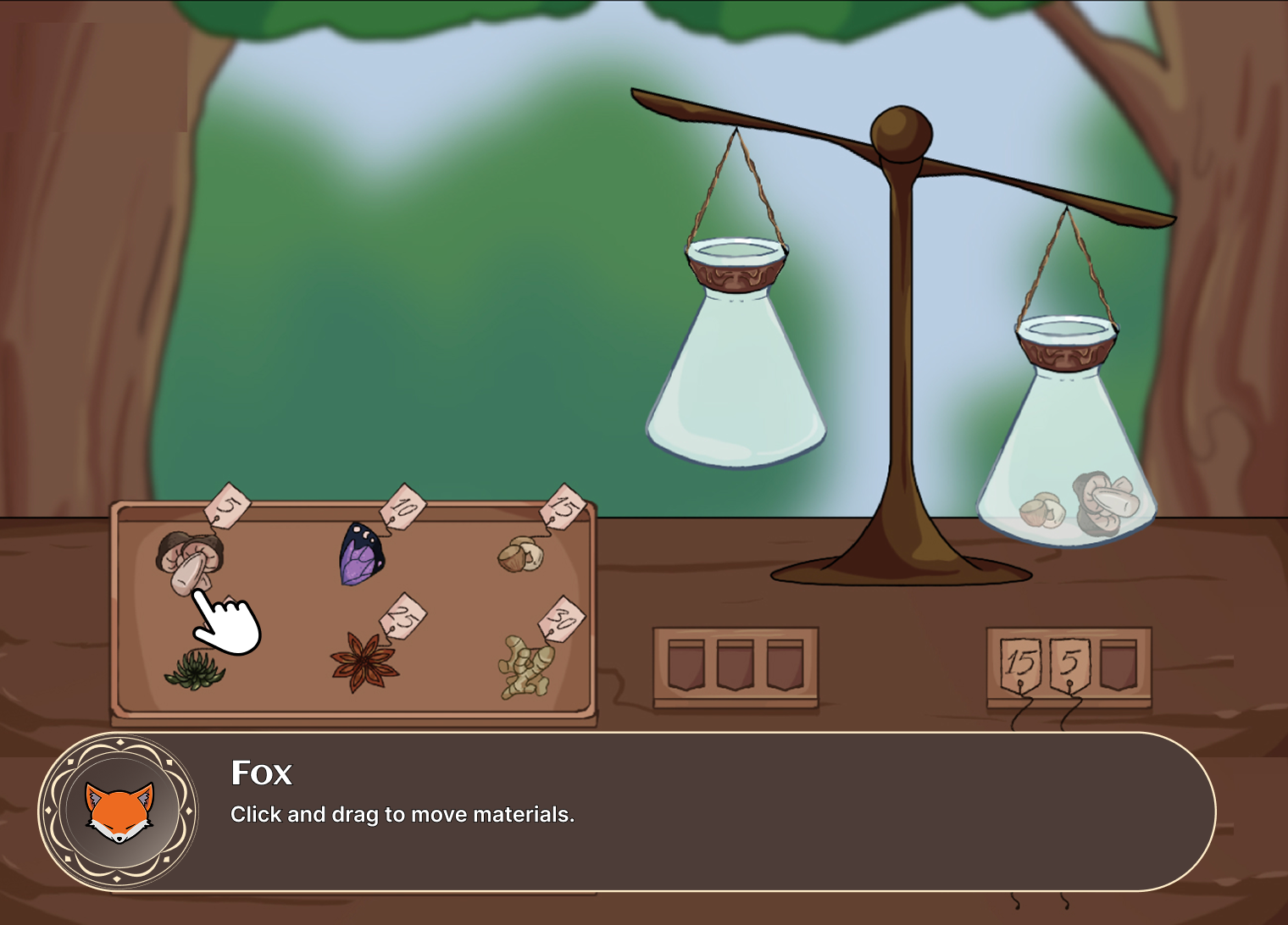
The tutorial was built as a practice round, but read as a demo. During testing, players waited for something to happen, unaware they were supposed to interact.
• Problem
The tutorial was built as a practice round, but read as a demo. During testing, players waited for something to happen, unaware they were supposed to interact.

• Research // Competitive Analysis
How do the best mini-games teach a mechanic in under 10 seconds?
Competitive analysis across 8 titles revealed that the most effective tutorials share these patterns:
01
Just-in-time information. One mechanic at a time, introduced when it's needed — not front-loaded.
02
Narration creates order. Static text has no hierarchy. A narrator's voice moves and tells players where to look.
03
Players need a prompt to act. Motion, glow, or a direct cue. Without one, a blank area is just confusion.
04
The best tutorials feel like the game. In-world narration keeps players in the experience, not outside it reading a manual.
• Hypothesis
If the tutorial uses a narrated sequence that illuminates each element as it's introduced, players will understand the goal and controls before acting, reducing confusion without reducing information.
Sequential narration paired with highlighted assets creates a temporal cue; it moves, it speaks, it draws attention. This builds rhythm and maps words to objects in real time, making it less like a rulebook and more like in-world storytelling.
• Design solution
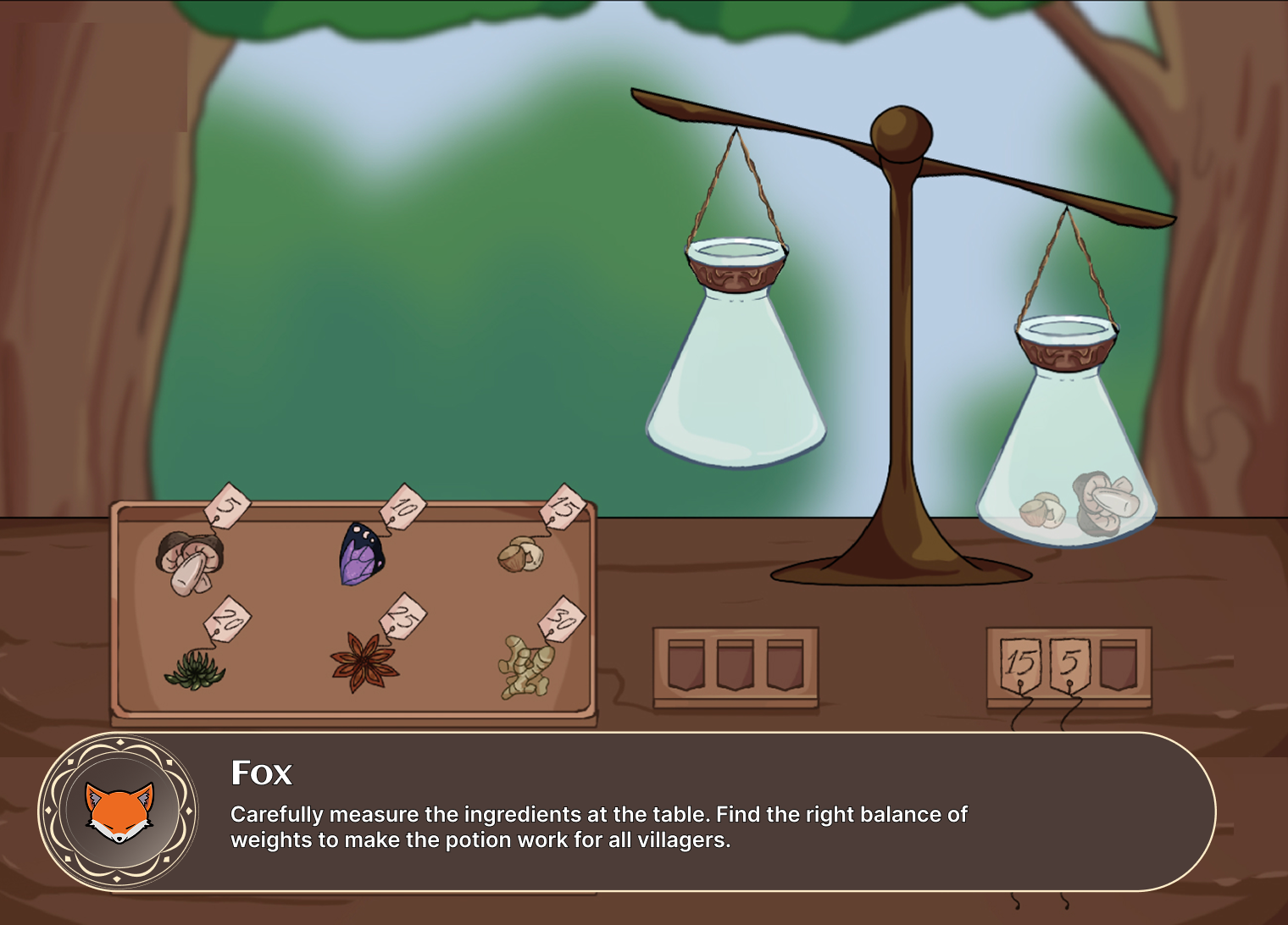
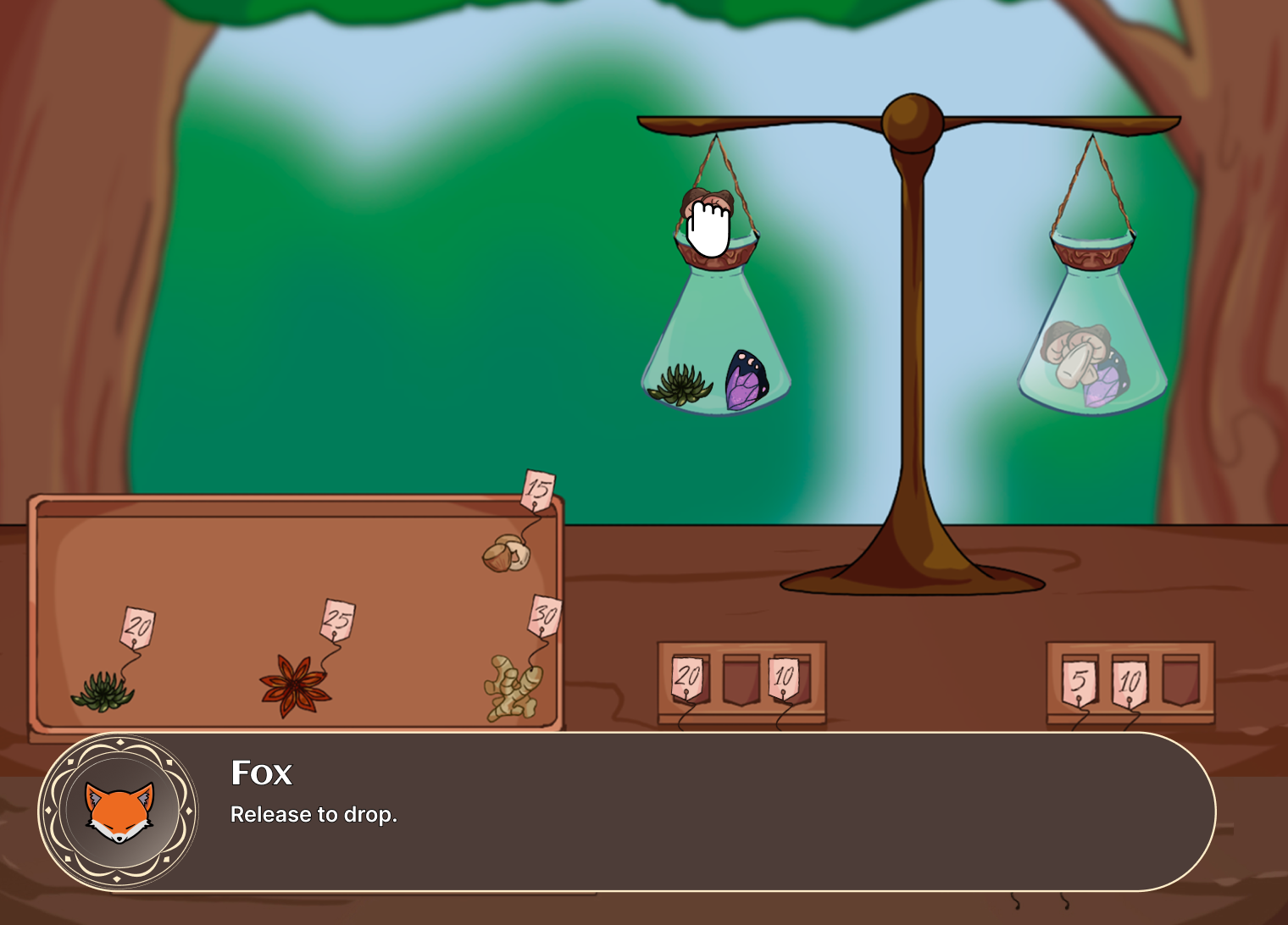
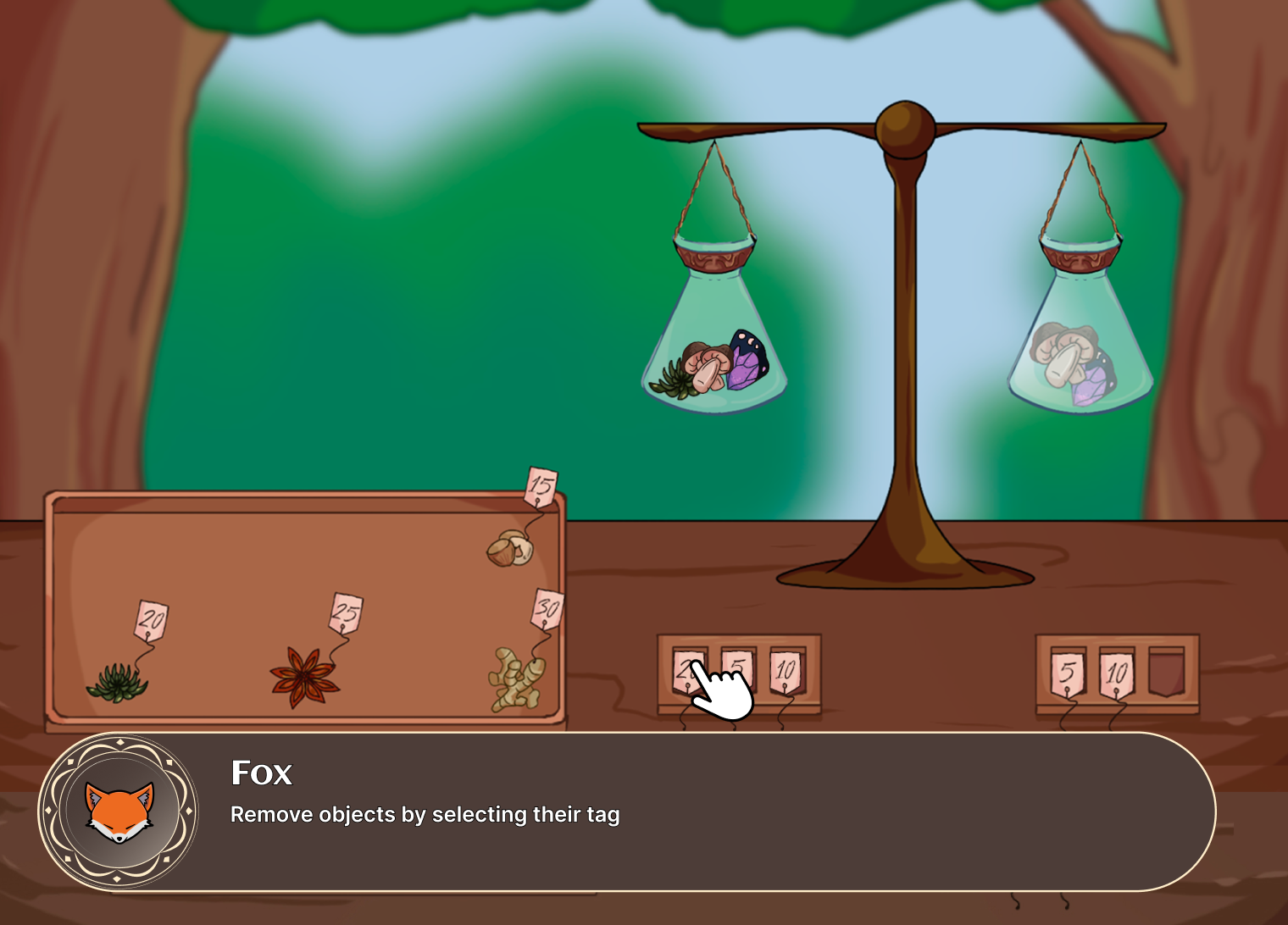
From static modal to narrated sequence


• Impact
By replacing static instructions with a narrated, sequential flow, players were able to understand the goal and act sooner. This reduced drop-off risk in playtesting and introduced a pattern for onboarding future mechanics.