Product designer shaping thoughtful digital experiences.
With a core focus on human-AI interaction, I build workflows, interfaces, and design systems that translate complex information into straightforward experiences.
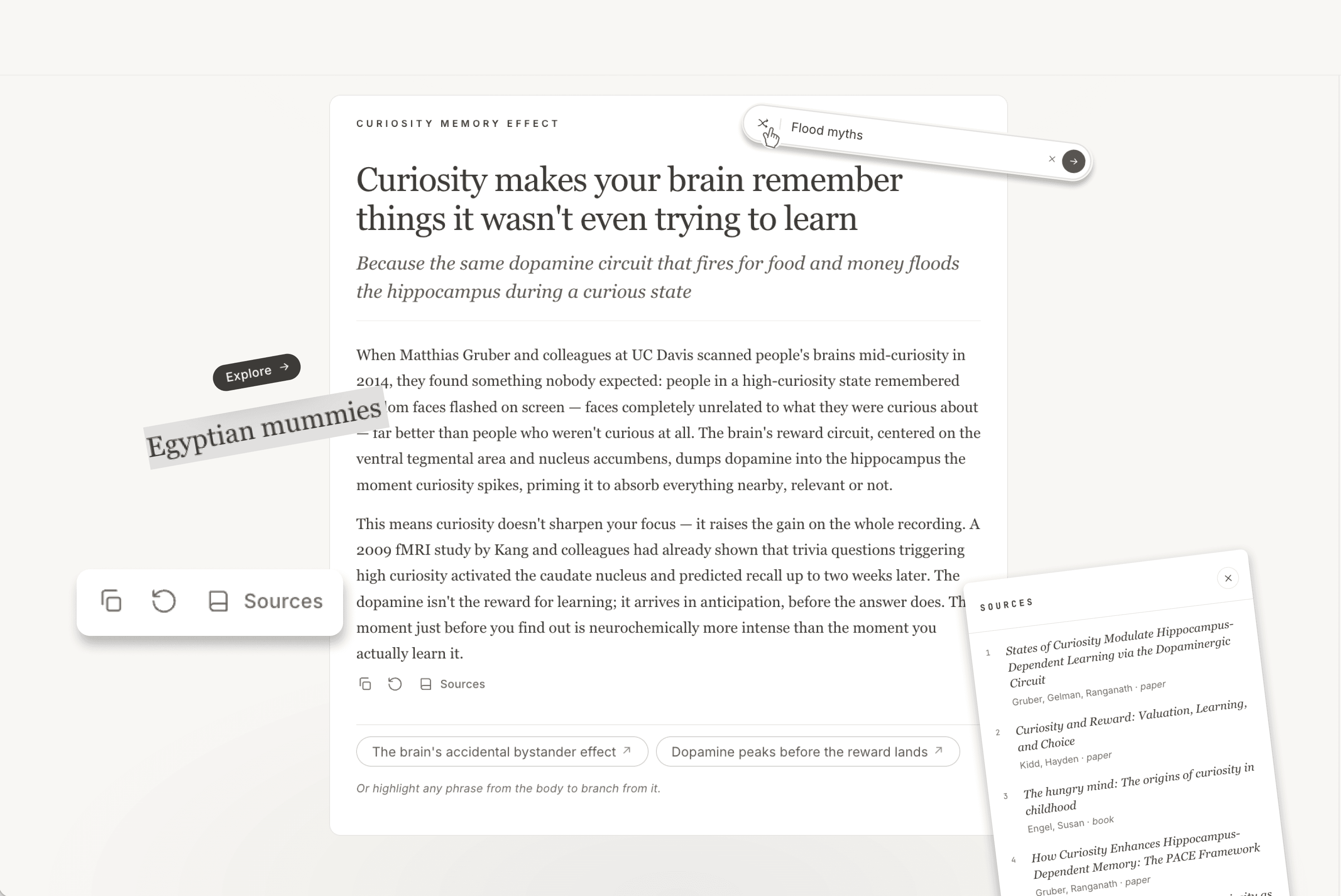


Interaction design
Data visualization
Information architecture
AI workflows
Inclusive design
Usability testing
Prompt engineering
UX writing
Prototyping
About me

Jacie Littell
Product & Experience Designer
HOW I WORK
I’m a product designer who thrives in collaborative environments and moves fast from ambiguity to concrete prototypes. Whether I'm conducting user research, testing interface logic, or scaling a design system, my approach is rooted in curiosity and continuous feedback.
My mission is to help make technology feel intuitive as we move into a new era of AI-driven experiences.
MY DESIGN STACK
Figma
Framer
Webflow
Illustrator
Notion
Github
Asana
Claude