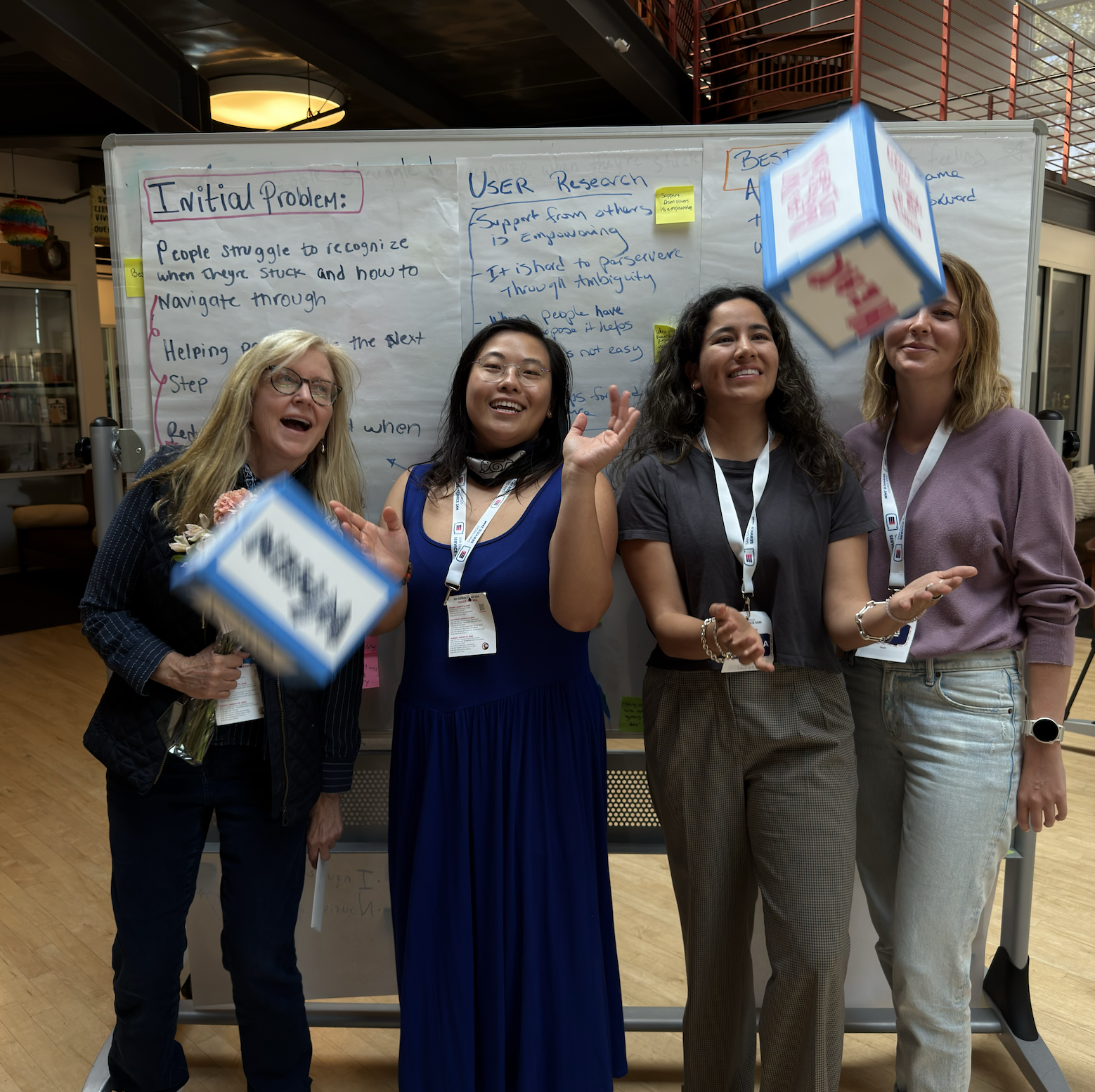


Helping people move from overthinking to action

The designathon's theme was "brain." Our team picked decision paralysis — that specific kind of stuck where you already know what you should do, but can't make yourself start.
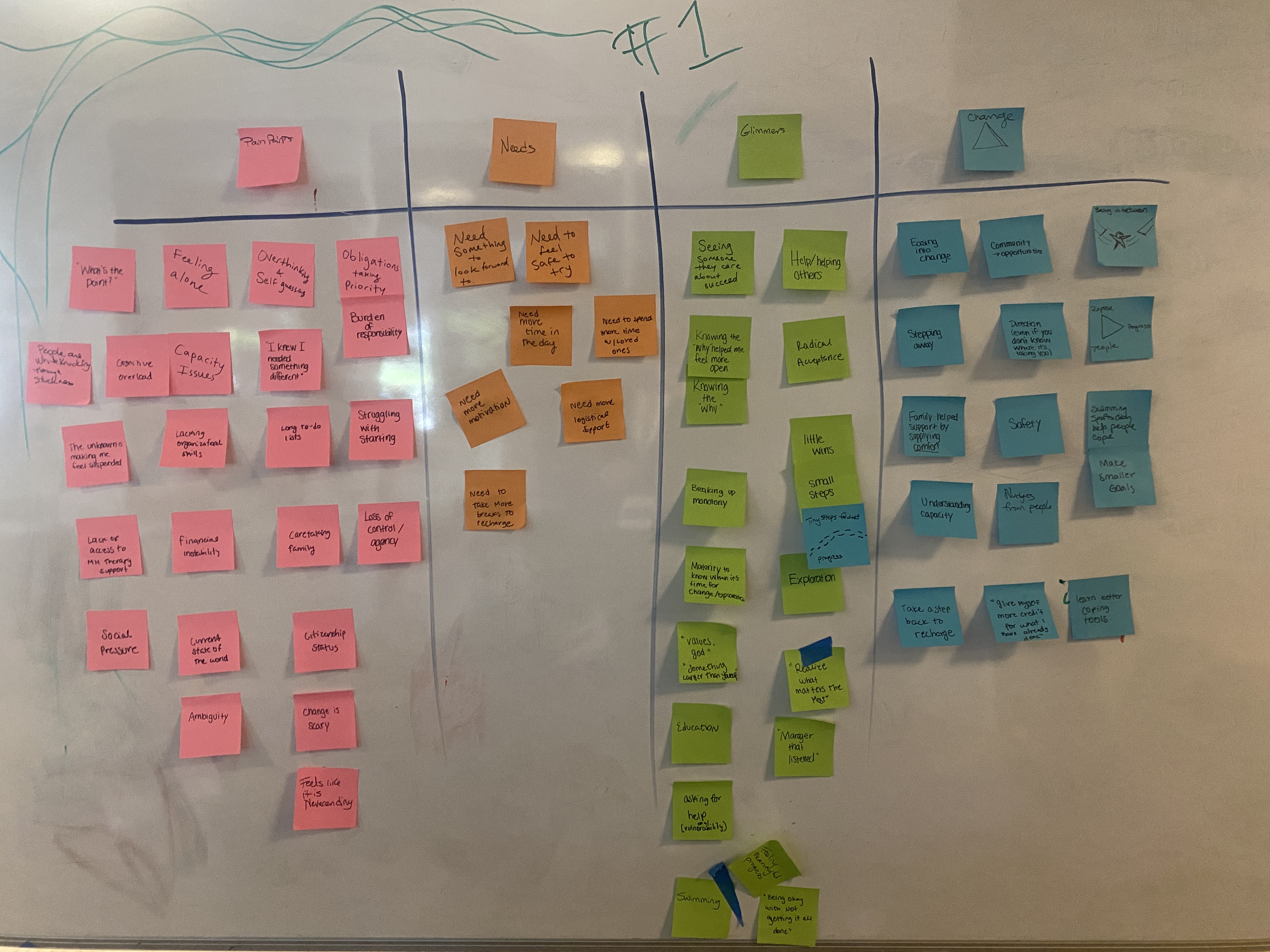
What we found
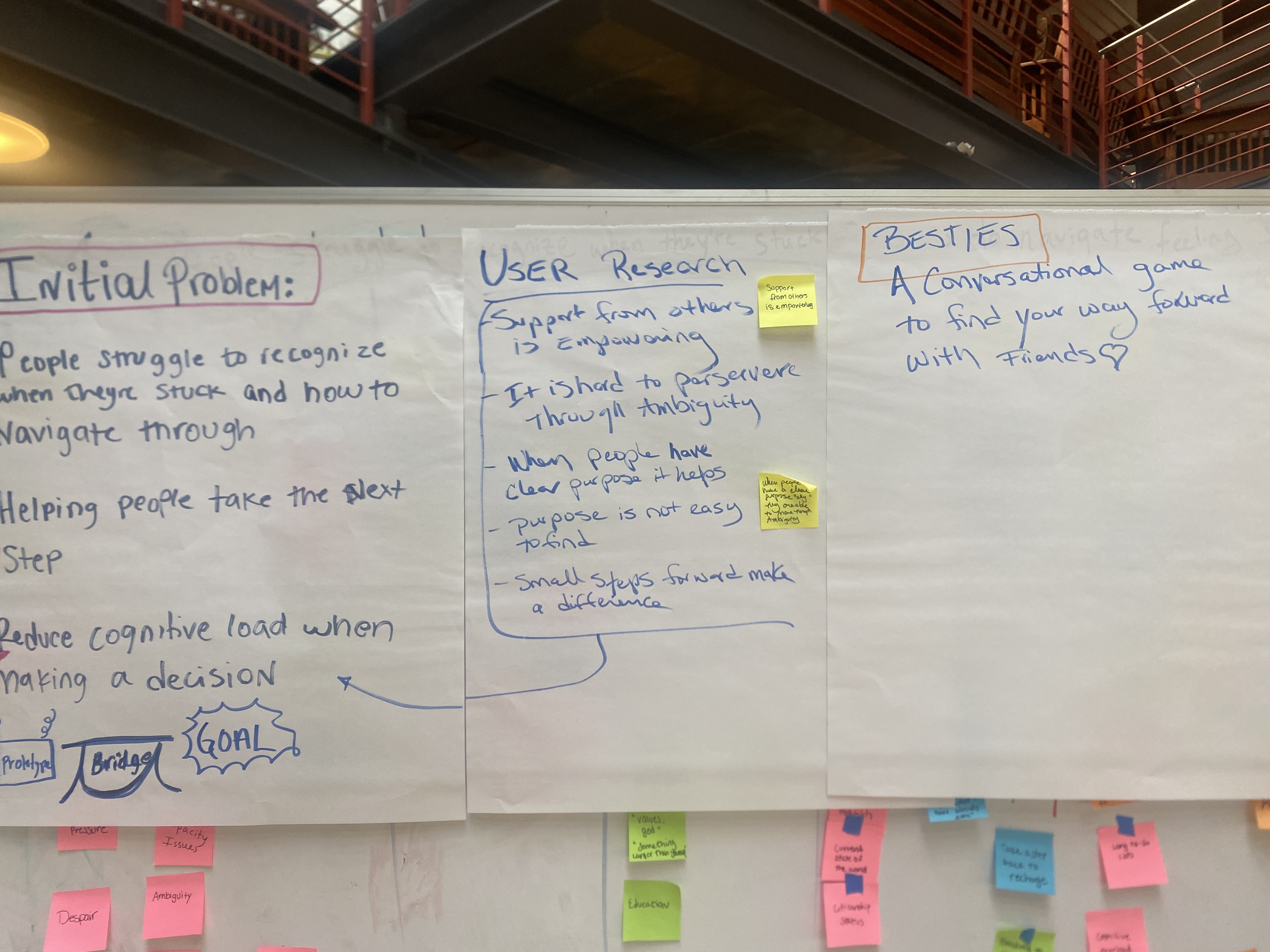
We talked to people about stuck moments. What surprised us: they weren't short on advice. They had plenty of answers already. What they needed was someone to help them think out loud, and a nudge to commit to one.
People don't need a tool that thinks for them. They need a way to process what they already know.
First tries
Our early concepts tried to deliver answers - flowcharts, AI suggestions, quick decision trees. None of them held up against what we'd heard. So we changed the frame: from giving answers to prompting a conversation.
What we wanted the tool to do

Drop AI-style answers. The tool prompts; two people do the thinking.

Short, structured questions are easier to start on than open-ended ones.

A quick "okay, I'll do that" beats a deep analysis nobody acts on.
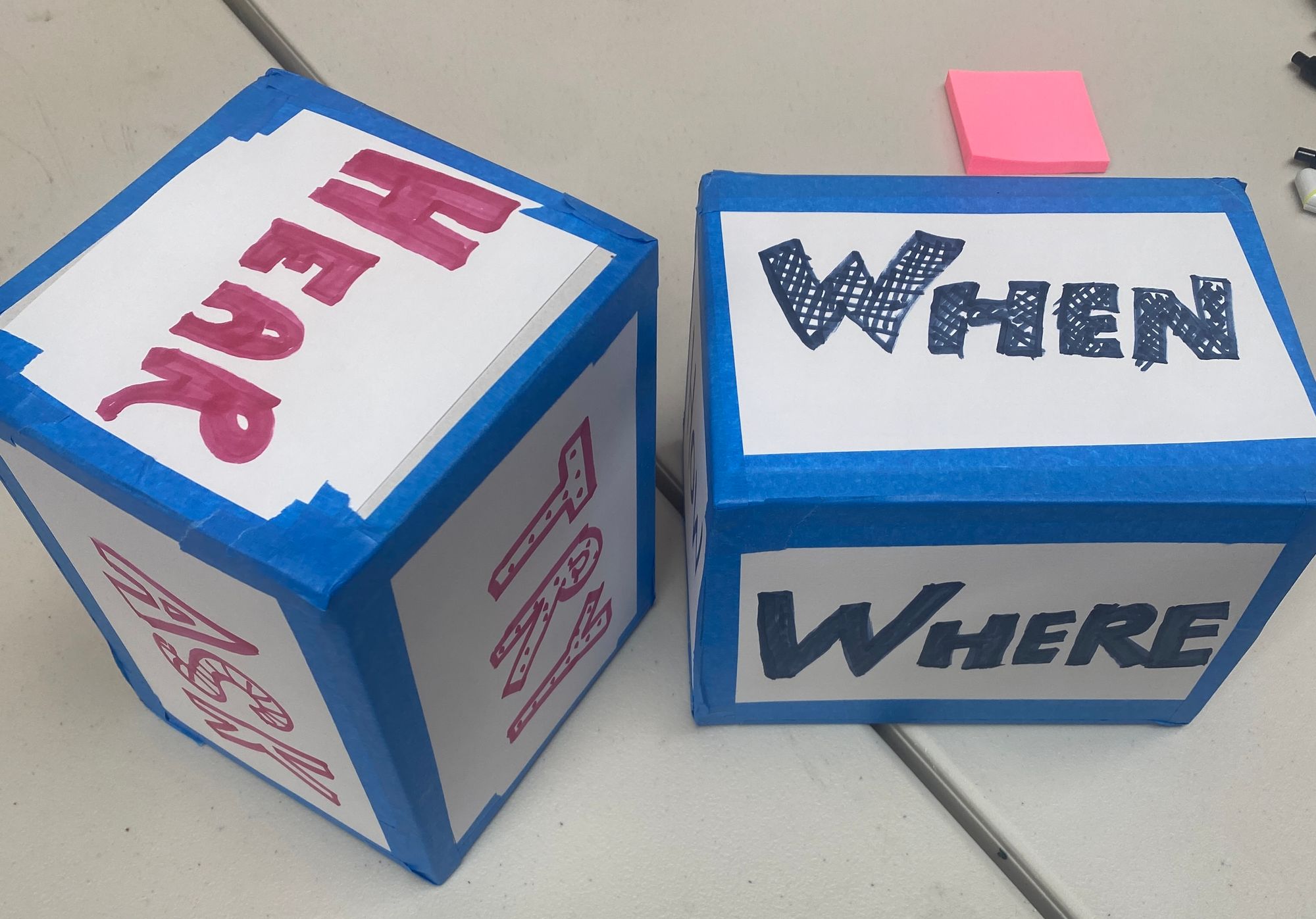
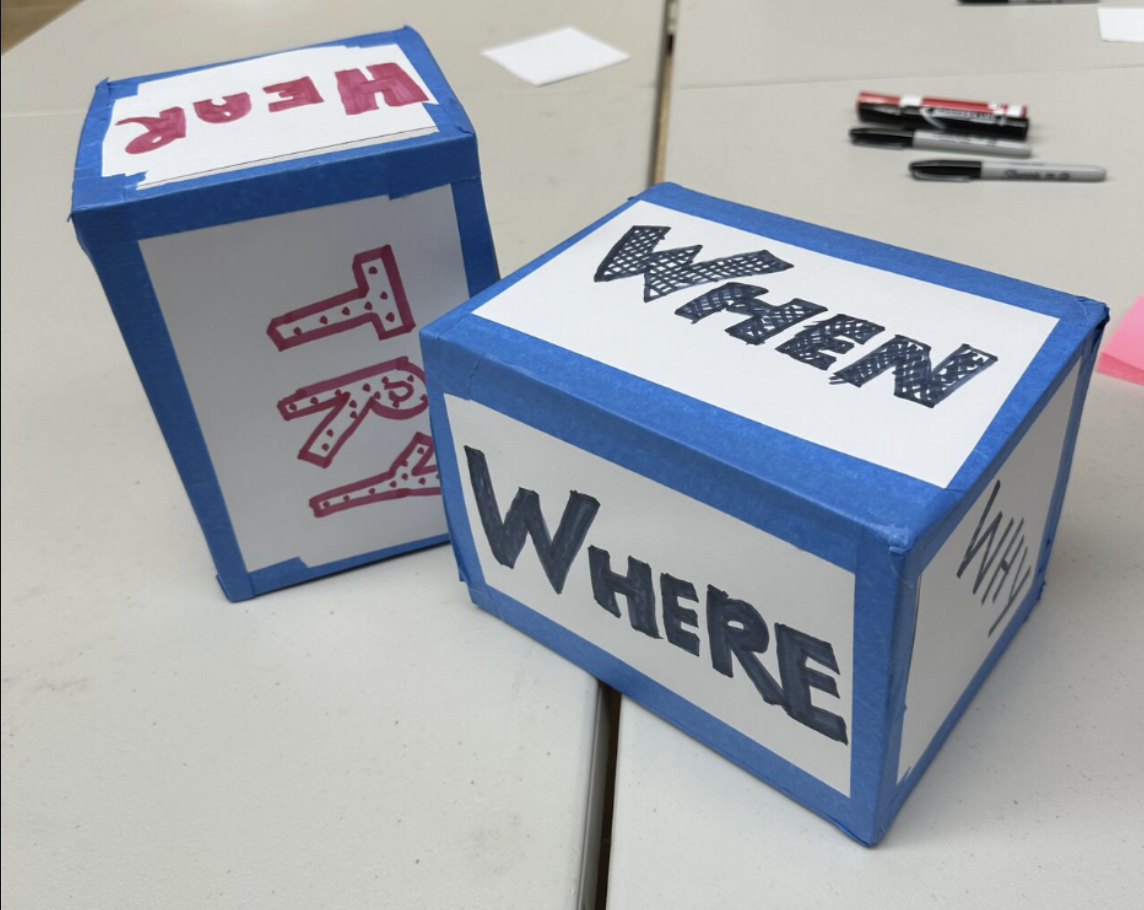
We built a conversation cube. Six faces, six quick rounds. Each face prompts one person to share and another to guide.

We tested with three people. A single prompt got short answers. A follow-up, "tell me more about that," pulled out the real thinking.
So we added a second cube. One for the opening prompt, one for the follow-up. Two objects, one conversation.
Ambiguity wasn't the bug. It was the feature
Within minutes, people went from "I don't know what to do" to a concrete next step. The second cube did more work than the first, it turned a prompt into something that felt like being listened to.
This designathon taught me something I didn't expect: ambiguity isn't always a problem to solve. Sometimes it's the whole point.